
Water Blasting vs Soft Washing: High Pressure Cleaning Comparison
Understand the key differences between high pressure water blasting and soft washing to choose the perfect cleaning method for your property's needs.
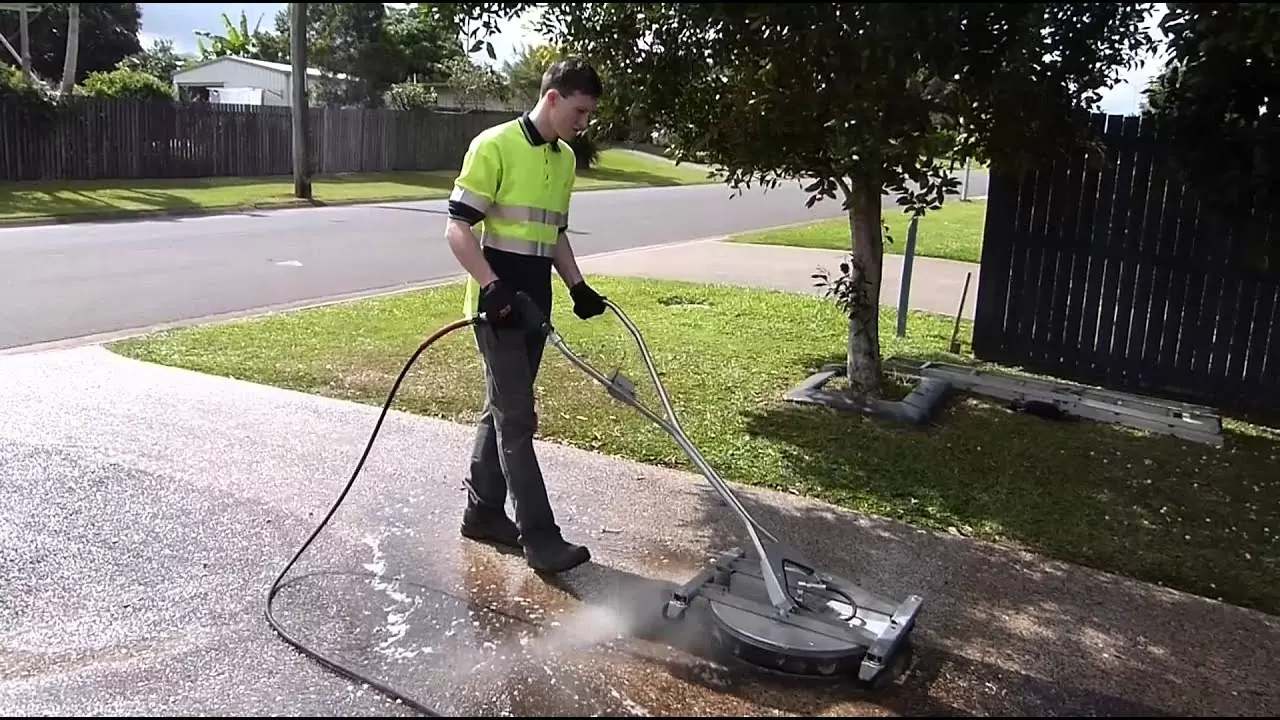
Choosing the right exterior cleaning method is crucial for achieving optimal results whilst protecting your property investment. Two primary techniques dominate professional exterior cleaning: high pressure water blasting and soft washing. Understanding the differences, applications, and benefits of each method ensures you select the perfect approach for your specific cleaning needs.
The Key Difference
High pressure cleaning relies on mechanical force to remove contaminants, whilst soft washing uses chemical solutions at low pressure to break down and eliminate dirt, biological growth, and stains safely.
High Pressure Water Blasting Explained
How High Pressure Cleaning Works
High pressure water blasting uses powerful water streams ranging from 1,000 to 4,000+ PSI to mechanically remove contaminants from surfaces. The intense pressure physically dislodges dirt, grime, paint, and other materials through kinetic energy transfer.
Ideal Applications
- • Concrete driveways and pathways
- • Stone and brick surfaces
- • Metal structures and fencing
- • Heavily soiled industrial surfaces
- • Paint and graffiti removal
Key Advantages
- • Immediate visible results
- • Excellent for tough, stubborn stains
- • No chemical dependency
- • Fast coverage of large areas
- • Effective on heavily textured surfaces
When High Pressure is the Right Choice
High pressure cleaning excels with robust surfaces that can withstand mechanical force and where immediate, dramatic results are desired for heavily contaminated areas.
Optimal High Pressure Applications:
- • Removing years of built-up grime
- • Eliminating oil and grease stains
- • Cleaning heavily textured concrete
- • Preparing surfaces for painting
- • Cleaning commercial and industrial facilities
- • Removing moss from driveways and paths
- • Cleaning outdoor furniture and equipment
- • Restoring weathered stone surfaces
Soft Washing Technology
The Science of Soft Washing
Soft washing applies specially formulated cleaning solutions at low pressure (typically under 500 PSI) to safely and effectively clean delicate surfaces. The chemical action breaks down contaminants at the molecular level rather than relying on mechanical force.
Perfect Applications
- • Painted exterior walls
- • Roof tiles and shingles
- • Vinyl and composite siding
- • Delicate stonework
- • Windows and glass surfaces
Primary Benefits
- • Safe for delicate surfaces
- • Longer-lasting results
- • Effective against biological growth
- • Reduced risk of damage
- • Environmentally responsible options
Soft Washing Chemistry
Professional soft washing employs sophisticated chemistry tailored to specific contaminants and surface types, ensuring optimal cleaning whilst maintaining material integrity.
Biodegradable Solutions
Modern formulations break down safely in the environment whilst delivering powerful cleaning action.
Surface-Specific Chemistry
Different formulations optimise cleaning for various materials without causing damage or discolouration.
Long-Term Protection
Some formulations include protective agents that help resist future contamination and biological growth.
Detailed Comparison Analysis
| Factor | High Pressure Washing | Soft Washing |
|---|---|---|
| Pressure Range | 1,000-4,000+ PSI | Under 500 PSI |
| Primary Mechanism | Mechanical force | Chemical action |
| Result Duration | 3-6 months | 6-18 months |
| Surface Safety | Risk with delicate materials | Safe for all surfaces |
| Environmental Impact | Minimal chemical use | Biodegradable solutions |
Surface Material Guidelines
Choosing the Right Method by Material
High Pressure Suitable
- • Concrete and cement surfaces
- • Natural stone (granite, sandstone)
- • Brick and masonry
- • Metal structures and railings
- • Heavily stained areas requiring aggressive cleaning
Soft Washing Preferred
- • Painted surfaces and finishes
- • Roof materials (tiles, shingles)
- • Vinyl and composite siding
- • Windows and glass
- • Delicate stonework and render
Cost and Value Considerations
Initial Investment vs Long-term Value
Cost-Benefit Analysis:
High Pressure Washing
- • Lower initial treatment cost
- • More frequent cleaning required
- • Potential repair costs from damage
- • Immediate dramatic results
Soft Washing
- • Higher initial treatment cost
- • Longer intervals between cleanings
- • Reduced risk of costly damage
- • Better long-term value proposition
Safety Considerations
Safety Requirements
High Pressure Risks:
- • Serious injury from high pressure stream
- • Surface damage from improper technique
- • Electrical hazards around fixtures
- • Ladder and height safety concerns
Soft Washing Precautions:
- • Chemical handling and mixing safety
- • Protection for plants and landscaping
- • Proper ventilation requirements
- • Personal protective equipment needs
Professional vs DIY Considerations
Why Professional Service Matters
Both high pressure and soft washing require expertise, specialised equipment, and safety knowledge that make professional service the recommended choice for optimal results.
Professional Advantages:
- • Proper equipment and pressure calibration
- • Surface-specific technique knowledge
- • Appropriate chemical selection and mixing
- • Comprehensive insurance coverage
- • Environmental protection protocols
DIY Limitations:
- • Limited equipment effectiveness
- • Risk of surface damage or injury
- • Inadequate chemical knowledge
- • Time and labour intensity
- • Liability for damages or accidents
Environmental Impact Comparison
Sustainability Considerations
High Pressure Environmental Impact
Advantages:
- • Minimal chemical usage
- • Water-only cleaning option
- • No chemical runoff concerns
Considerations:
- • Higher water consumption
- • Potential for surface erosion
- • Noise pollution concerns
Soft Washing Environmental Impact
Advantages:
- • Lower water consumption
- • Biodegradable solutions available
- • Longer-lasting results reduce frequency
Considerations:
- • Chemical usage requires proper handling
- • Need for runoff management
- • Plant and landscape protection required
Making the Right Choice
Decision Framework
Selecting between high pressure and soft washing depends on multiple factors that professional cleaning services evaluate to recommend the optimal approach.
Key Decision Factors:
- • Surface material composition and condition
- • Type and severity of contamination
- • Age and delicacy of the property
- • Environmental considerations and restrictions
- • Budget and maintenance frequency preferences
- • Desired longevity of cleaning results